תג מאיר,
ספרי תורה למכירה בתכלית ההידור
ספר תורה זה הלב של הבית כנסת והחיים היהודיים. התורה הקדושה שניתנה לנו מהשמיים על ידי משה רבנו בהכתבה מהשם יתברך.
ספר התורה הוא העתק מדוייק של אותו הספר שניתן לנו בהר סיני באש תוך כדי מעמד הר סיני. אנו מתייחסים לכך ברצינות רבה ורואים בתפקיד שלנו כתפקיד מקודש להגדיל ורומם את שם השם בעולם. לעשות קידוש השם.
מי אנחנו?
תג מאיר ספרי תורה,
הספר של השם יתברך הוא הכתר שלנו שמאיר את העולם.
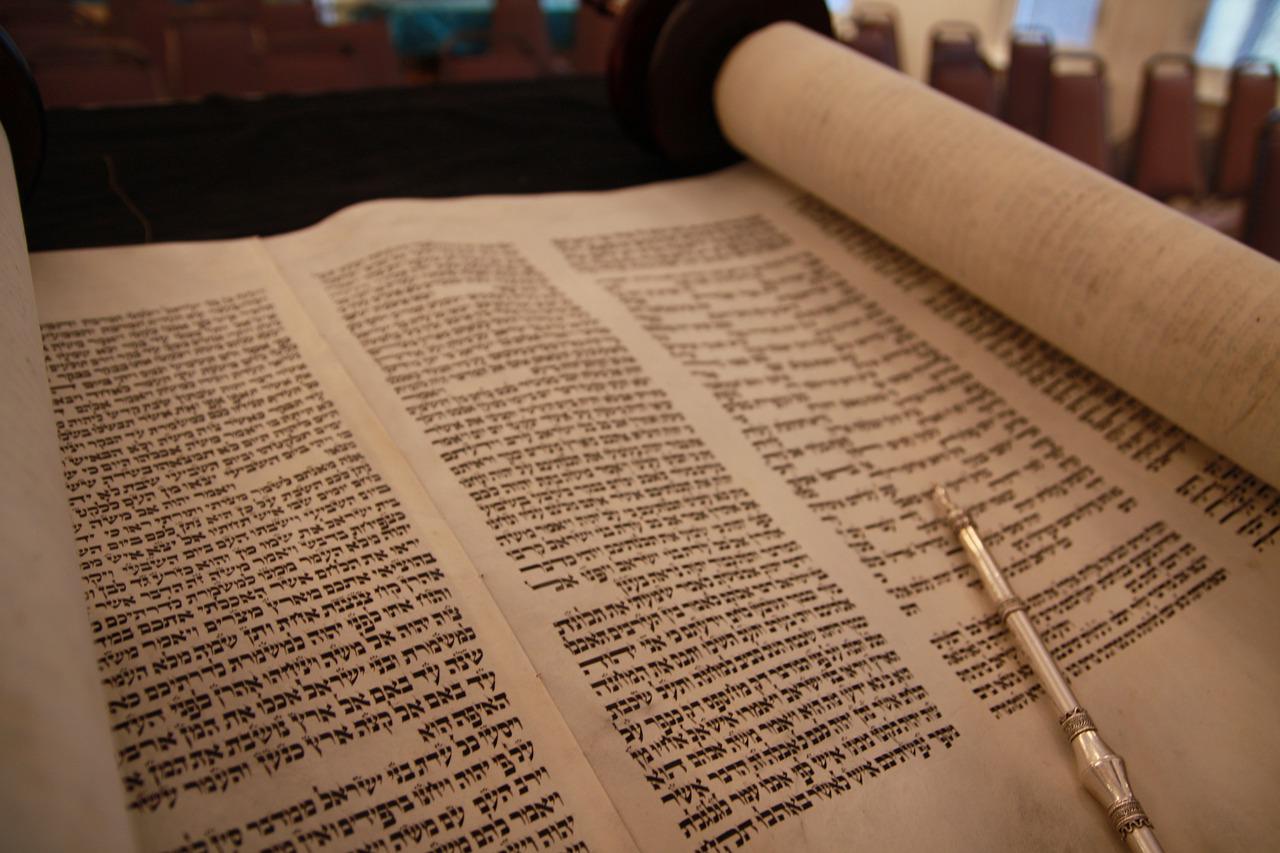
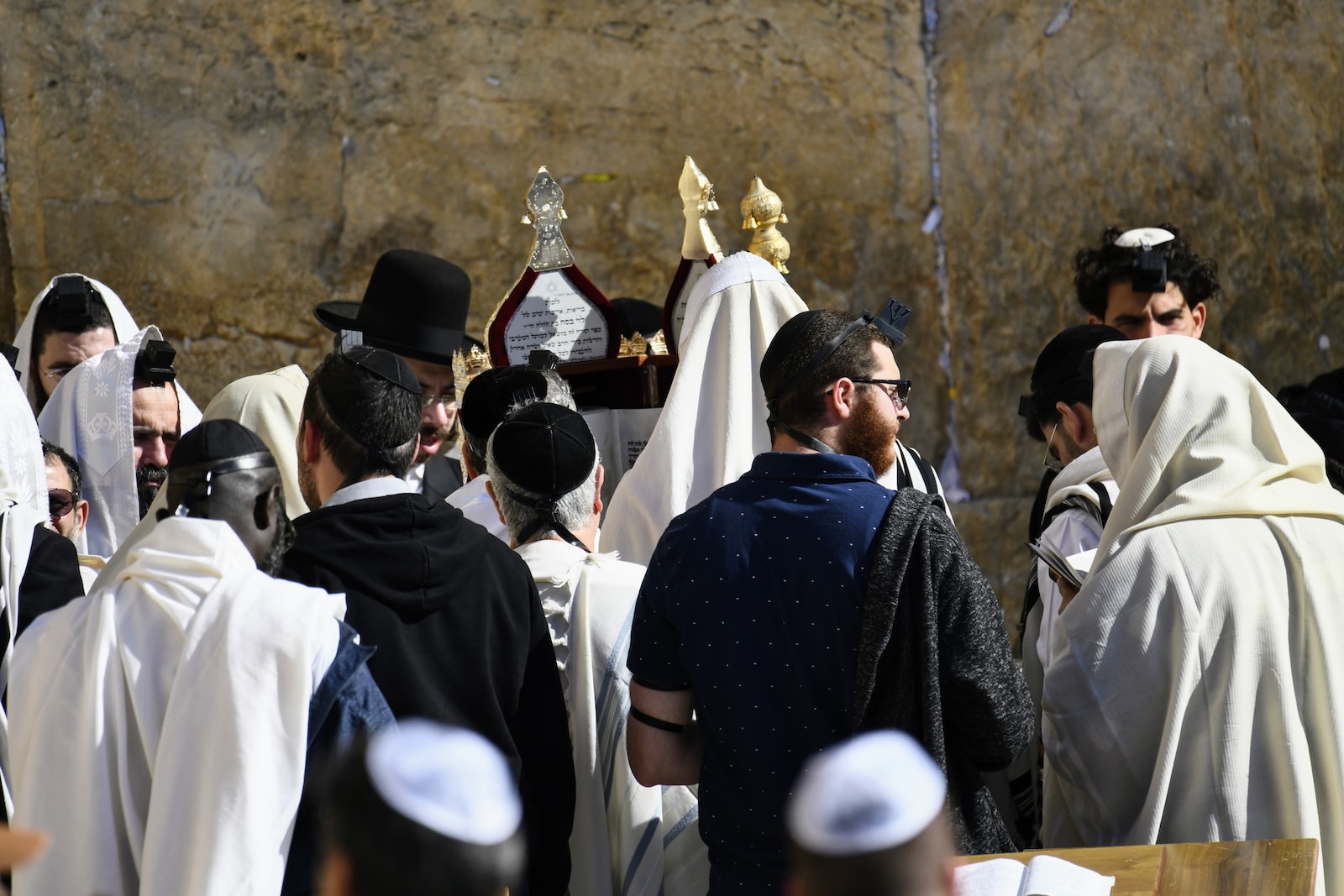
אנו מאמינים שספר התורה הוא הכתר של כל יהודי באשר הוא. בין אם אתם רוצים לקיים את המצווה לכתוב ספר תורה, ובין אם אתם רוצים להקדיש את הספר תורה לעילוי נשמת, אנו נשתדל לעשות הכל לשם שמיים ולקדש את שם השם בעולם על ידי הספר תורה כמו שכתוב בפוסקים.
ספר תורה מהודר זה לא דבר של מה בכך. אנו משקיעים מאות שעות בכל ספר תורה, והכל בכדי שהוא יהיה מהודר וכשר, כמובן שהספרים עוברים הגהה כמו שנפסק בשולחן ערוך, ברמב"ם ויתר הפוסקים והכל נעשה לפי ההלכה בתכלית ההקפדה והטהרה. כל הזכרת שמות הקודש נעשית "לשם קדושת שם השם" והסופרים יראי שמיים ובקיאים בהלכות סת"ם.
מטבע הדברים לסופרים שלנו יש הסמכות, תעודות וכל מה שצריך בכדי להיות סופר סת"ם מומחה.
ניתן לכתוב או לקנות אצלנו ספרי תורה בהזמנה אישית לפי גודל, סוג כתב (אשכנזי, ספרדי, תימני וחב"ד/האר"י).
אנו מקפידים ששם השם יכתב כדת וכדין, עם ה' ראשונה כמו שכתבו בזוהר הקדוש והאר"י הקדוש וכן הלאה.
פנו אלינו בכדי לקבל הצעת מחיר
ספר תורה זה הלב של הבית כנסת והחיים היהודיים. התורה הקדושה שניתנה לנו מהשמיים על ידי משה רבנו בהכתבה מהשם יתברך.
ספר התורה הוא העתק מדוייק של אותו הספר שניתן לנו בהר סיני באש תוך כדי מעמד הר סיני. אנו מתייחסים לכך ברצינות רבה ורואים בתפקיד שלנו כתפקיד מקודש להגדיל ורומם את שם השם בעולם. לעשות קידוש השם.
כדאי לקרוא בבלוג שלנו
ספר תורה למכירה
קטן ספר תורה קטן זה דבר יפה. זה סמל לחיבור שלנו לנצח ואל ה'. זוהי תזכורת מוחשית לעובדה שאנו חלק ממשהו הרבה יותר גדול מאיתנו. כשאנו מתבוננים בספר תורה קטן, אנו נזכרים במשימה הגדולה שניתנה לנו – להביא אור לעולם. אנו נזכרים באחריותנו להפוך את העולם הזה למקום טוב יותר. ואנחנו מקבלים השראה להמשיך במסע שלנו, לא משנה כמה קשה זה עשוי להיות. ספר התורה הוא תזכורת רבת עוצמה לכך שאנו אף פעם לא לבד במסע הזה. ה' תמיד איתנו, מדריך אותנו ומעורר בנו השראה.
מהו ספר תורה?
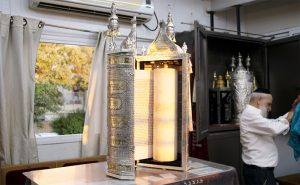
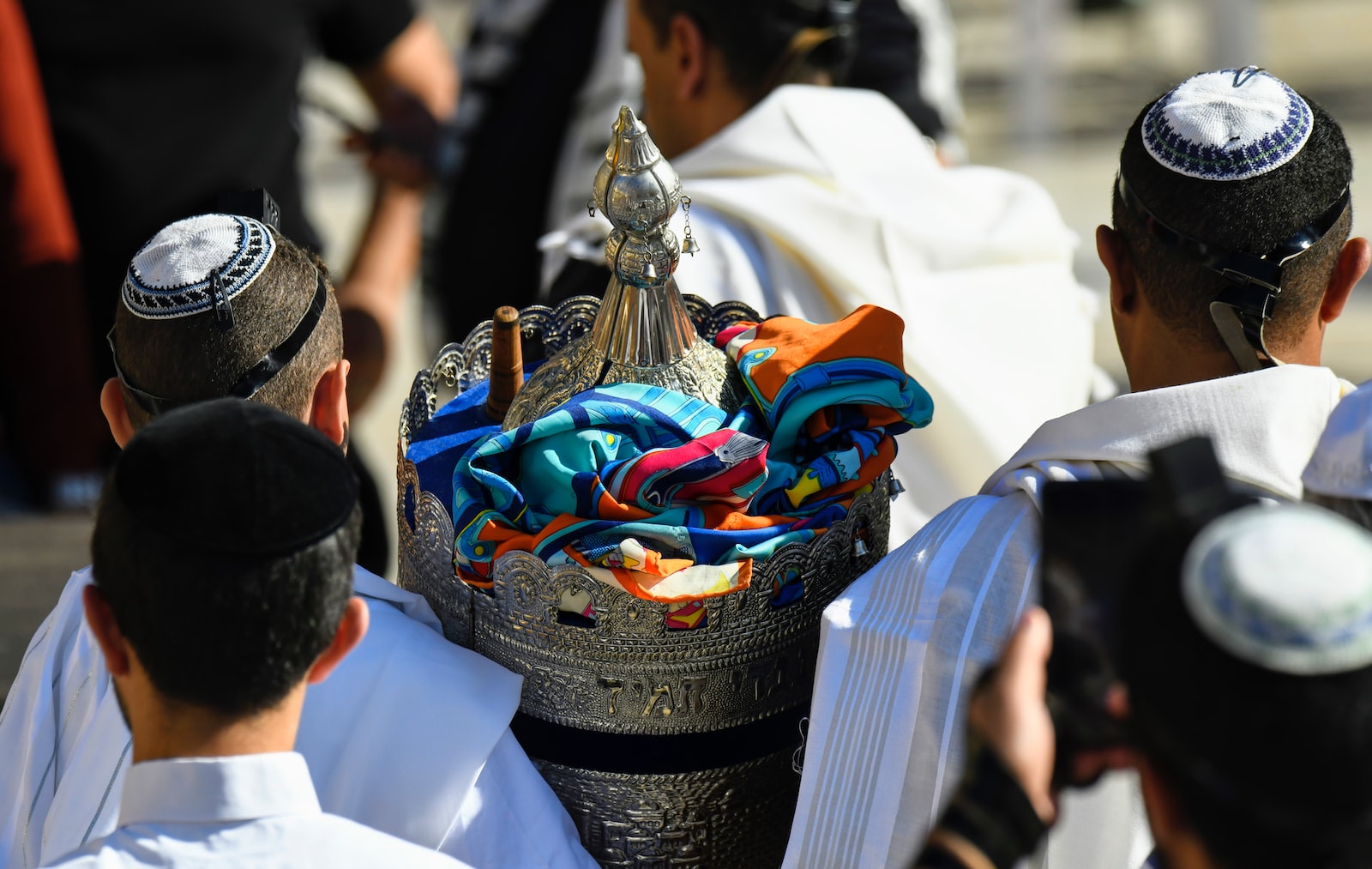
ספר תורה הוא עותק בכתב יד על קלף של חמשת חומשי תורה. הוא כתוב על קלף שהוכן במיוחד, והוא חייב להיכתב על ידי סופר המומחה בהלכות המסדירות את כתיבתו כמו שמופיע בשולחן ערוך. ספר תורה הוא חפץ קדוש, ומתייחסים אליו ביראת קודש. הוא נשמר באופן מסורתי בארון מיוחד המכונה ארון קודש, והוא מוסר מהארון רק לאירועים מיוחדים. האירוע החשוב ביותר הוא כאשר קוראים בתורה בזמן תפילות. בהזדמנות זו נושאים את ספר התורה ברחבי בית הכנסת על ידי ארבעה אנשים, והוא מורם לעיני כל. ספר התורה משמש גם להזדמנויות אחרות, כמו כאשר מישהו נקרא לקרוא ממנו במהלך חגיגת בר או בת מצווה.
תולדות ספר התורה
ספר התורה הוא הספר הקדוש ביותר ביהדות. ספר התורה כתוב בעברית, שפת הקודש של היהדות. ספר התורה עובר מדור לדור כבר למעלה מ-3,000 שנה. ספר תורה הוא אוצר יקר, והוא שמור במקום מיוחד בבית הכנסת. קוראים בספר תורה בימי שני וחמישי, בשבתות ובחגים. ביום הכיפורים, מתכנסת כל הקהילה לשמוע את קריאת התורה בפרשת קדושים ולהמשיך את קדושת ישראל על עם ישראל הקדוש בקדושת השם יתברך. ספר התורה הוא סמל להישרדות עמנו ולקשר שלנו להיסטוריה ולמורשת שלנו.
איך כותבים ספר תורה
כדי ליצור ספר תורה, סופר סת"ם או לבלר צריך להכין תחילה את הקלף. עור של בהמה כשרה מושרה במים ולאחר מכן מותחים על משטח ישר. לאחר שהוא מתייבש, מגרדים את המשטח עד שהוא אחיד לחלוטין. לאחר מכן, הסופר משתמש בנוצה מחודדת כדי לכתוב בקפידה כל אות בספר התורה. הדיו המשמש למטרה זו עשוי ממרכיבים מיוחדים הנעשים בקפדנות על פי ההלכה היהודית. לאחר השלמת הכתיבה, מגלגלים את הקלף ומניחים בתוך מארז מקושט. ספר התורה שהושלם מוכן לשמש לתפילה וללימוד.
החלקים השונים של ספר תורה
ספר תורה הוא הרבה יותר מסתם מגילת קלף. זהו ייצוג פיזי של דבר ה' הנצחי, וככזה, יש להתייחס אליו בכבוד רב. בספר מופיעים חמישה חומשים תורה: בראשית, שמות, ויקרא, במדבר וספר דברים.
איך משתמשים בספר תורה?
ספר התורה, המכונה גם חומש, הוא הטקסט המרכזי של היהדות. הוא מכיל את חמשת חומשי תורה: בראשית, שמות, ויקרא, מספרים ודברים. מדי שנה, בחג שמחת תורה, קוראים את ספר את סיום התורה בבית הכנסת. על ידי הבנה ומעקב אחר תורתו של ספר התורה, יהודים יכולים לשאוף להפוך לאנשים טובים יותר ולהפוך את העולם למקום טוב יותר.
עלות ספר תורה
עלות ספר תורה משתנה בהתאם לגודלו ואיכותו של הקלף, וכן מיומנות הסופר. ספר תורה פשוט יכול לעלות כמה עשרות אלפי שקלים, בעוד שספר תורה מהודר יותר יכול לעלות למעלה מ-100,000 ש"ח.
איך לטפל בספר תורה
קטן ספר תורה הוא דבר יפה ויקר. הנה כמה טיפים כיצד לטפל בספר התורה שלך:
- שמרו אותו במקום בטוח. ספר תורה הוא עדין מאוד, ויש לשמור אותו במקום בטוח ומוגן בו לא ייפגע ולא ייחשף לאור השמש או למקורות חום אחרים.
- טפל בו בזהירות. כאשר אתה מטפל בספר התורה שלך, הקפד להשתמש בשתי הידיים ולתמוך בו עם בד על הידיים בעדיפות עם מטפחת ייעודית. אל תיגע באותיות באצבעותיך, שכן הדבר עלול להכתים את הדיו ולפגוע בקלף.
- שמור על נקיון. הקפידו לשמור את ספר התורה שלכם נקי וללא אבק. אתה יכול לנגב אותו בעדינות עם מטלית רכה ויבשה לחלוטין.
- הגן עליו מפני מזיקים. הקפידו להרחיק את ספר התורה שלכם מחרקים, עכברים ומזיקים אחרים שעלולים לפגוע בו. אם אתה מאחסן אותו לפרק זמן ממושך, ייתכן שתרצה לעטוף אותו בנייר נטול חומצה או לאחסן אותו בסביבה מבוקרת לחות.
על ידי הקפדה על ההנחיות הפשוטות הללו, תוכל להבטיח שספר התורה שלך יחזיק מעמד עוד שנים רבות.
שאלות נפוצות
במה שונה גודלו של ספר תורה קטן מספר תורה בגודל רגיל?
גודלו של ספר תורה קטן הוא כשני שליש מגודלו של ספר תורה בגודל רגיל. זה הופך אותו לנייד יותר וקל יותר לטפל בו, אבל זה גם אומר שהטקסט קטן יותר ועשוי להיות קשה לקריאה.
מה היתרונות בקניית ספר תורה קטן?
ספר תורה קטן קל יותר להובלה וניתן להשתמש בו במקומות שבהם ספר תורה בגודל רגיל יהיה גדול מדי או מסורבל.
ספר תורה: מורשת יהודית ועולם רוחני
ספר תורה הוא מגילת קלף שעליה כתובה התורה בשלמותה, מתחילת ספר בראשית ועד סוף ספר דברים. התורה היא ספר היסוד של היהדות, והיא מכילה את הנורמות החברתיות, הדתיות והמוסריות של העם היהודי. ספר תורה נחשב לתשמיש הקדושה הקדוש ביותר ביהדות, ונוהגים בו בכבוד מיוחד ובהידור רב.
מבנה ספר תורה
ספר תורה מורכב מחמישה חומשי תורה, שכל אחד מהם מכיל חמישה פרקים. כל פרק מכיל מספר פסוקים, כאשר מספר הפסוקים בכל פרק משתנה. בנוסף לפסוקים, ספר תורה מכיל גם סימנים מיוחדים, כגון נקודות, טעמים וטעמים קטנים. סימנים אלו מסייעים לקורא לקרוא את הטקסט בצורה נכונה.
כתיבת ספר תורה
ספר תורה נכתב על קלף, שהוא עור של כבש או עז. הקלף מעובד באופן מיוחד כדי שיהיה חזק ועמיד. הכתב בספר תורה הוא כתב סת"ם, שהוא כתב מיוחד המיועד לכתיבה של ספרי תורה, תפילין ומזוזות. כתב סת"ם מורכב מאותיות מסורתיות, שכל אחת מהן כתובה בצורה מיוחדת.
קריאת ספר תורה
ספר תורה נקראת בכל יום בשבת בבוקר, ובימי חגים ומועדים. את קריאת ספר תורה מבצע בעל קורא, שהוא אדם שעבר הכשרה מיוחדת לקריאת ספר תורה. בעל הקורא קורא את הטקסט בצורה נכונה, תוך כדי שימוש בטעמים ובסימנים מיוחדים.
חשיבות ספר תורה
ספר תורה הוא סמלה של היהדות, והוא מהווה את הבסיס לדת היהודית. ספר תורה הוא מקור הנורמות החברתיות, הדתיות והמוסריות של העם היהודי, והוא מהווה כלי חשוב להוראה וללימוד.
ספר תורה כעולם רוחני
ספר תורה הוא לא רק מקור ידע, אלא גם עולם רוחני עשיר ומגוון. ספר תורה מכיל סיפורים, חוקים, תפילות ודרשות, והוא מהווה מקור השראה ליהודים בכל הדורות. ספר תורה הוא מקום מפלט למי שמחפש מזור לנפשו, והוא מקור של תקווה ונחמה.
ספר תורה כנכס היסטורי
ספרי תורה הם נכס היסטורי חשוב, והם משמשים כעדות להיסטוריה של עם ישראל. ספרי תורה עתיקים הם נדירים ומוערך, והם משמשים כחומר מחקר חשוב להיסטוריונים ולחוקרים.
ספר תורה כאמנות
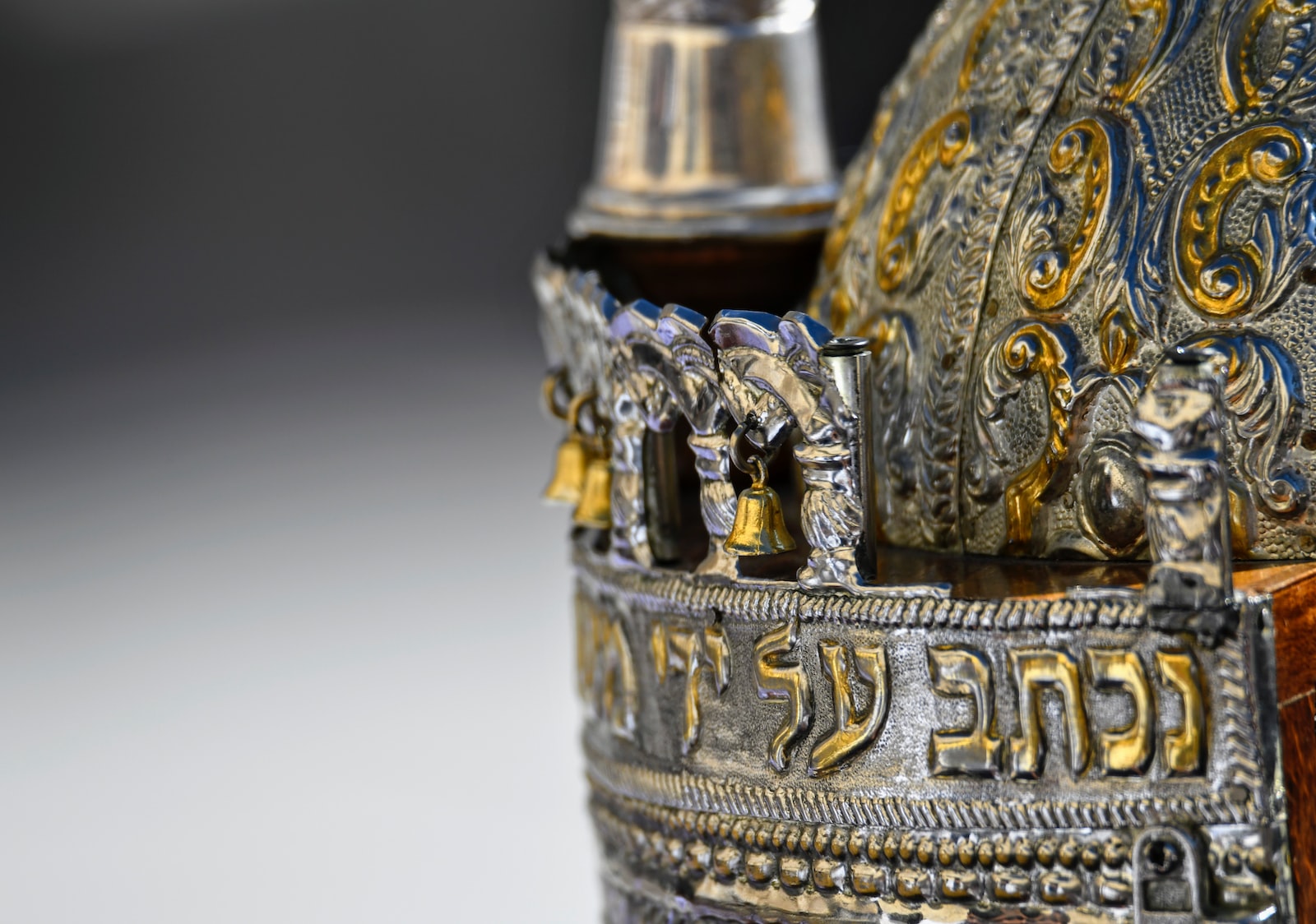
ספרי תורה הם גם יצירות אמנות יפות. ספרי תורה מעוטרים בדרך כלל בציורים, עיטורים וחריטות, והם מהווים מודל של יופי ויופי.
ספר תורה בימינו
גם בימינו, ספר תורה הוא חלק חשוב מהחיים היהודיים. ספר תורה נמצא בכל בית כנסת, והוא נקראת באופן קבוע בכל שבת בבוקר. ספר תורה הוא גם חלק חשוב בחינוך היהודי, והוא מלמד את הילדים על היהדות והמוסר היהודי.
סיכום
ספר תורה הוא נכס יקר ערך לעם ישראל. ספר תורה הוא מקור ידע, מקור השראה, נכס היסטורי ויצירת אמנות. ספר תורה הוא חלק חשוב מהחיים היהודיים, והוא ימשיך ללוות את העם היהודי עוד שנים רבות קדימה.